Runner and collector movement
Movement is either collector-carried or coordinated through an agreed pickup arrangement, depending on volume density and urgency.

The journey after the draw, coordinated and recorded.
A collected sample is not a completed collection. Until the specimen is in your laboratory's hands, in a usable condition, with its identity intact, the order is still open.
Phlebify coordinates that stretch — pickup from the point of collection, movement toward the laboratory, custody records and recorded handover — as part of the same request rather than as a separate errand.
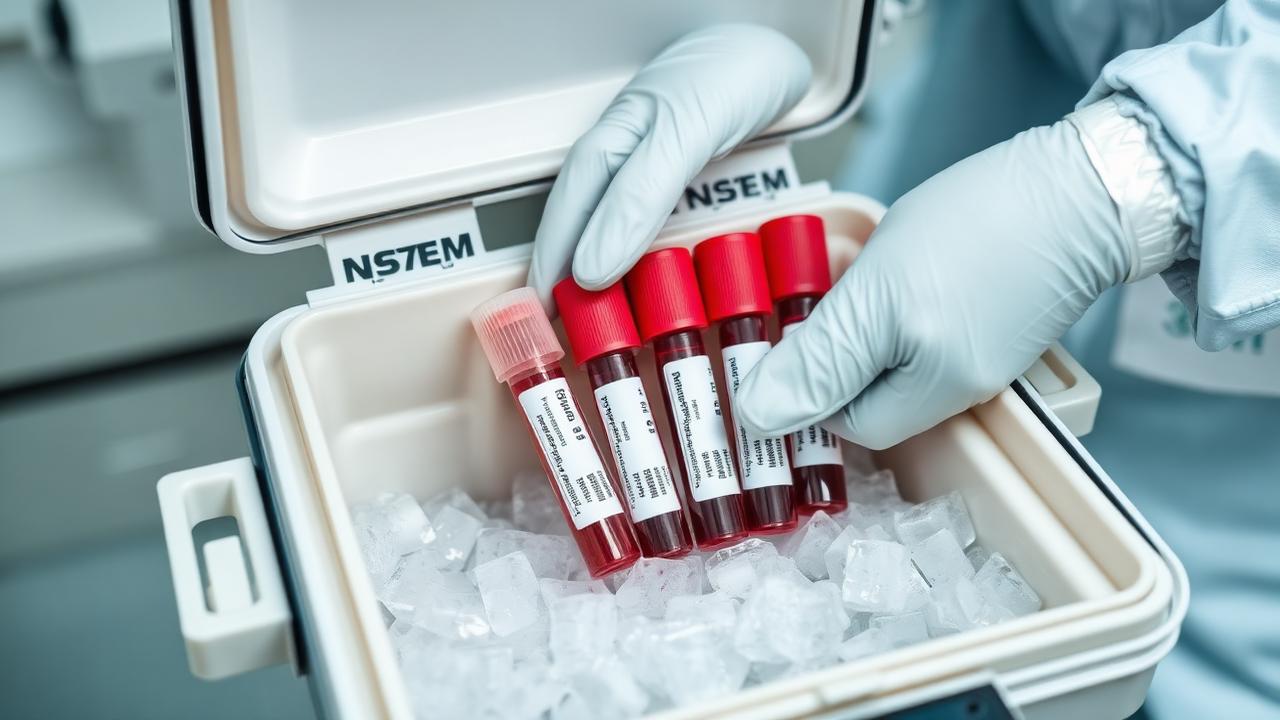
Samples enter the movement layer from more places than a single route plan usually assumes:
Coverage and pickup arrangements are confirmed per partner and per city during onboarding — we do not commit to a pickup model before we know your volumes and cut-offs.
Movement is either collector-carried or coordinated through an agreed pickup arrangement, depending on volume density and urgency.
Sequencing uses realistic travel effort rather than map distance, so laboratory cut-offs are planned for rather than missed.
Specimens are packed by transport category, with handling feasibility for your test menu confirmed in advance.
Each transfer records the handing and receiving party with a timestamp, so the current holder is always answerable from the record.
Receipt is recorded against the request, including condition notes and any rejection reason.
Delays, damage and rejections follow defined exception paths with recorded reasons rather than phone escalation.
Pickup is a trade-off between elapsed time per sample and cost per sample. We pick per area and per test category rather than applying one model everywhere.
| Model | Used when | Trade-off |
|---|---|---|
| Collector-carried | Thin volume, urgent or stability-sensitive specimens | Fastest per sample, higher cost per sample |
| Coordinated pickup | Dense clusters with steady daily volume | Balanced time and cost |
| Handover point consolidation | Wide coverage where cost per sample matters | Lowest cost, more elapsed time and one extra custody transfer |
The gap between a sample being collected and its movement to the laboratory beginning is, in most home collection operations, the largest recoverable block of time in the whole cycle — and the least measured.
Because collection and movement sit on the same request in Phlebify, that gap is visible rather than inferred. How labs can improve sample transportation sets out what to do about it.
Pickup is collecting specimens from their point of origin and starting the journey. Transportation is the movement itself, including routing, containment and condition control. Phlebify manages them as one workflow attached to the collection request.
Yes. Movement and custody transfers are recorded against the request, so the current holder and the elapsed time since collection are answerable from the record rather than by phone.
Specimens are packed by transport category and handling feasibility for your test menu is confirmed with your laboratory during onboarding. Where an assay's requirement cannot be met reliably, we say so before the collection rather than after.
Pickup is coordinated as part of the collection workflow we manage for partner laboratories. Any additional pickup requirement is scoped with your team rather than assumed.
Tell us about your collection volumes and cities — we'll walk you through how the network would support your operations.