How does Phlebify track a home collection?
Each request moves through defined states — created, assigned, visit in progress, collected, handed over — and each transition is recorded digitally against the request.
Bringing greater visibility to every collection.
Most collection delays are not caused by the draw itself — they are caused by nobody knowing where a request currently stands.
Phlebify is building digital collection workflows so each request carries a status from the moment it is raised until the sample reaches the laboratory.
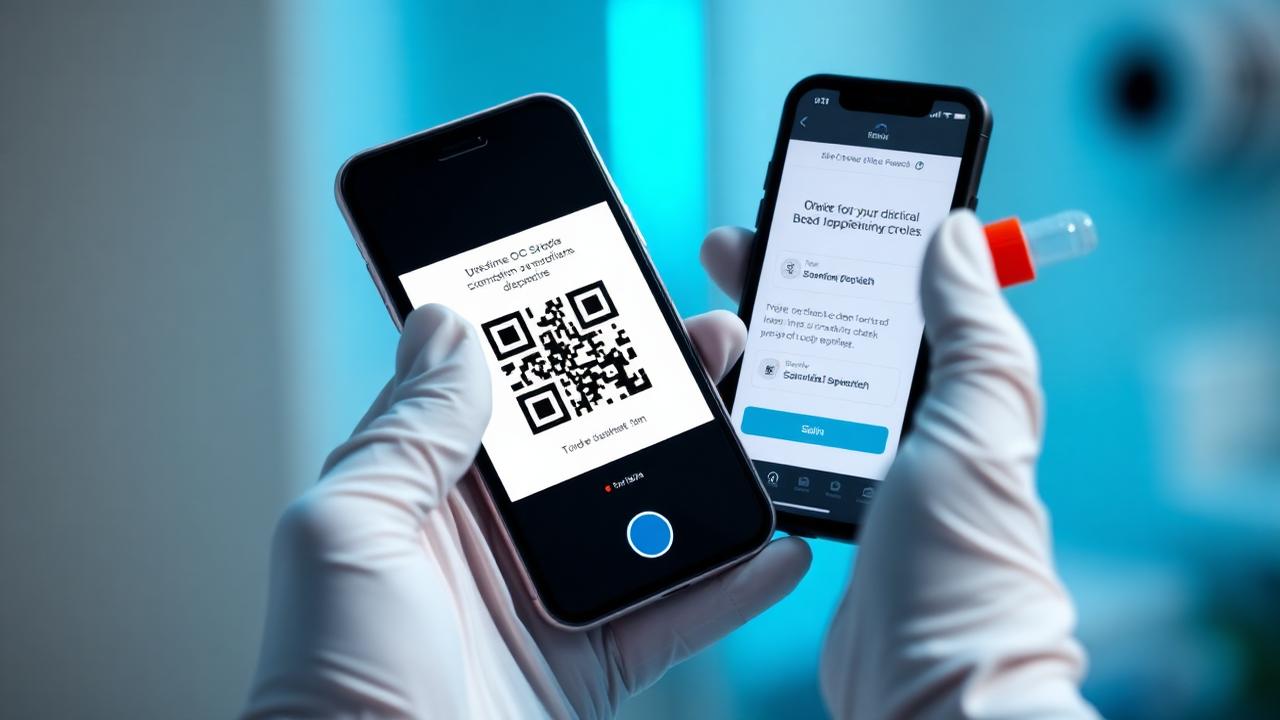
Phlebify is developing QR-based workflows to simplify identification and operational tracking around collections. As these workflows roll out they are designed to support:
QR-based identification is being rolled out progressively — it is not yet universally deployed across every workflow.
Each request moves through defined states — created, assigned, visit in progress, collected, handed over — and each transition is recorded digitally against the request.
Yes. Collection and handover events are captured digitally, including QR-enabled steps in the workflow, so there is a traceable record for each request.
Yes — status visibility is the point of the tracking layer. Coordination teams read the current state of a request instead of chasing the collector by phone.
Tell us about your collection volumes and cities — we'll walk you through how the network would support your operations.