Sample pickup and delivery
Coordination between the collector who holds the sample and the laboratory expecting it.

Moving samples is part of the diagnostic journey.
A collection is only the beginning. Once a sample is drawn it still has to be packed, handed over, moved and received by the laboratory — and every step in between affects when a report can be released.
Phlebify supports diagnostic sample transportation by coordinating the operational links between collection, handover, sample movement and laboratory delivery, so the journey after the draw is as structured as the draw itself.
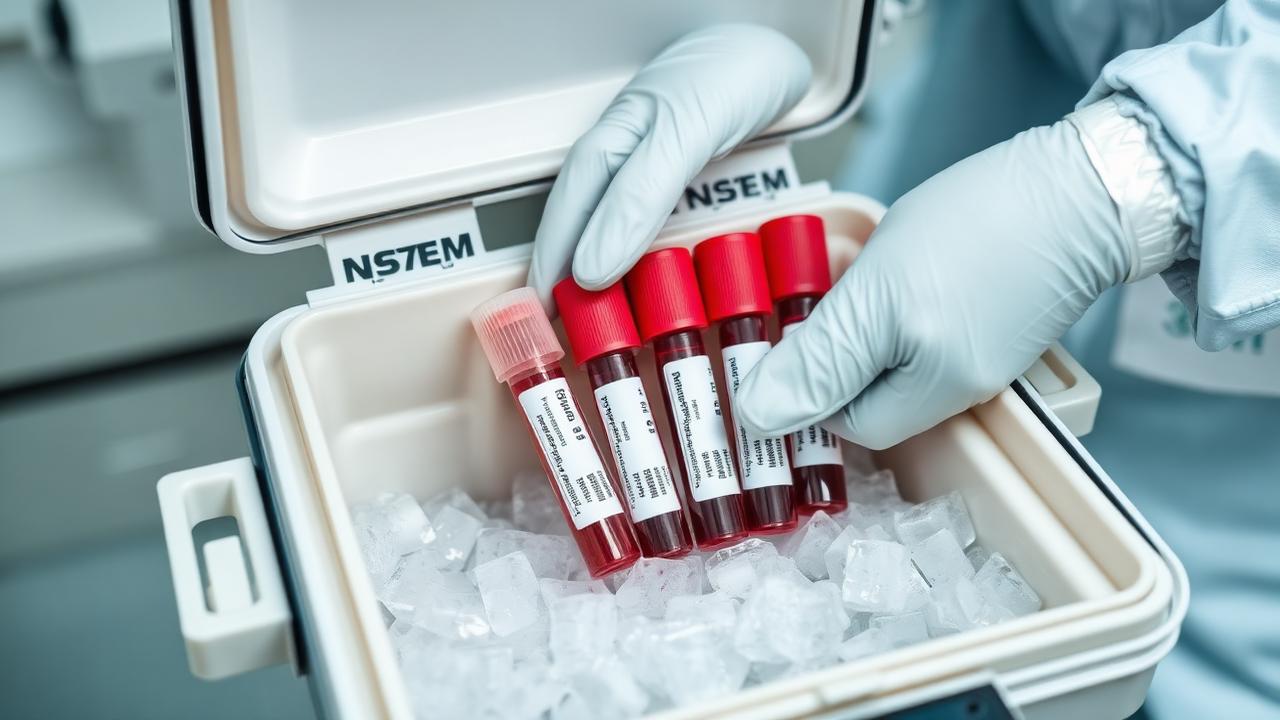
Coordination between the collector who holds the sample and the laboratory expecting it.
A defined handover point rather than an informal transfer, so accountability is clear at each stage.
Where a workflow requires temperature-sensitive handling, transport is coordinated with the applicable handling requirements agreed with the laboratory.
Status information on where a sample is in the journey, so labs are not left guessing.
Medical sample logistics becomes an operational bottleneck when volumes grow or collections spread across a city. Transport coordination is particularly important for:
Not every specimen needs the same handling. Routine, low-value samples can often move on scheduled consolidated runs, while high-value or time-sensitive specimens — special chemistry, molecular or referral tests — usually justify a dedicated movement with tighter custody records.
Phlebify's specimen transport services let a lab set those rules per sample type, so blood sample logistics are planned around stability and turnaround rather than one fixed route. The transfer is logged at pickup and handover; see chain of custody for diagnostic samples.
A working sample transport system has four recorded steps: the specimen is packed for its required conditions at the collection point, picked up against a request, moved to the receiving laboratory, and accepted or rejected on arrival. Each step carries a time and a named handler, so a delayed specimen can be traced to the exact leg where it waited.
Labs usually define which specimens travel on scheduled runs and which need a dedicated pickup; routes are then planned around those rules. For temperature-sensitive samples, see cold chain management for diagnostic samples.
After collection, the sample is packed as per handling requirements and moved to the agreed handover point or receiving laboratory, with the handover recorded against the original collection request.
Samples that need controlled conditions are packed and moved as per the handling requirements agreed with the partner laboratory for that test group.
The handover is confirmed digitally against the request, so the laboratory has a record of receipt rather than relying on verbal confirmation.
Tell us about your collection volumes and cities — we'll walk you through how the network would support your operations.