Phlebotomist dispatch
Collection requests are matched to an appropriate available collector rather than assigned manually one call at a time.

The operational layer behind diagnostic sample collection.
Diagnostic logistics is more than moving a sample from one place to another. It involves coordinating people, locations, collection requests, timing, sample movement and laboratory handover — usually all at once, and usually across a city.
Phlebify brings those moving parts into a single operational layer so diagnostic businesses can run home and on-site collections without stitching together phone calls, spreadsheets and manual follow-ups.
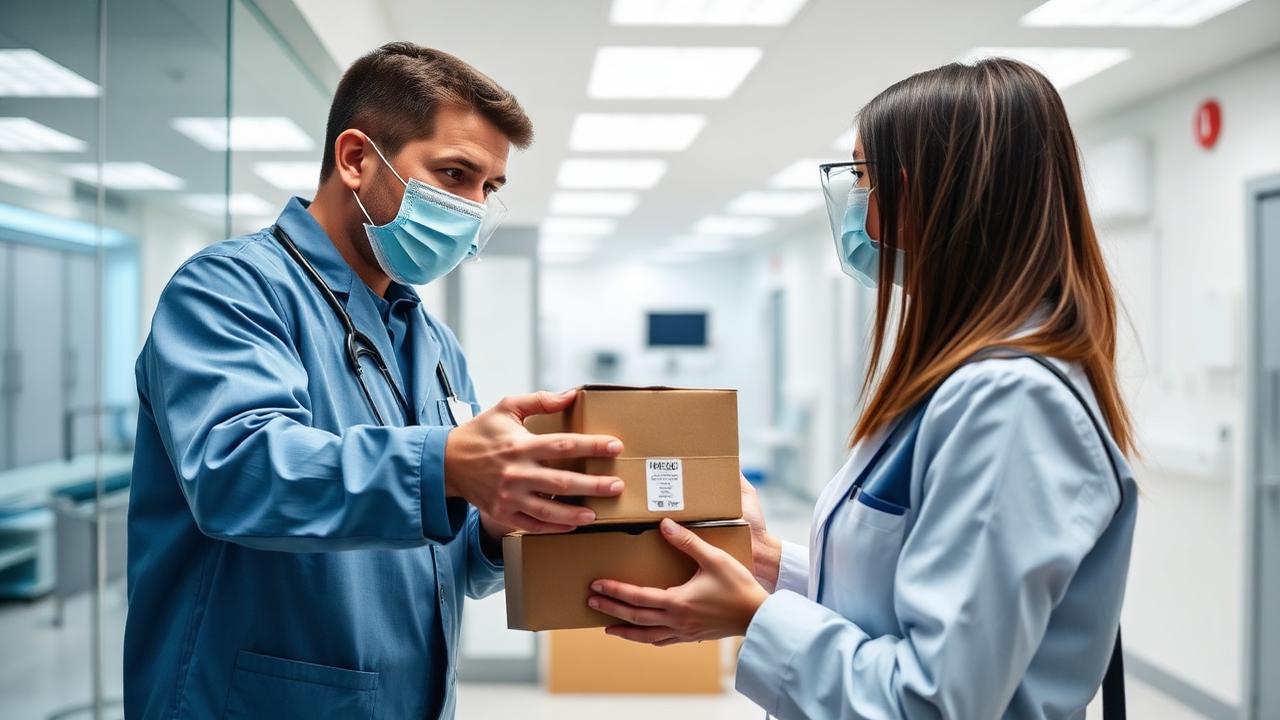
Collection requests are matched to an appropriate available collector rather than assigned manually one call at a time.
Each request carries a status so your team can see where a collection stands without chasing an update.
Coordination of the journey from the point of collection to the receiving laboratory.
The handover point is recorded, so the transfer between collector and laboratory is not a blind spot.
Reschedules, recollections and failed visits are handled as part of the workflow instead of ad-hoc escalations.
Less coordination. More visibility.
Diagnostic logistics is the operational layer that moves a specimen — and the record attached to it — from the point of collection to the point of analysis, with identity, condition and accountability preserved throughout. It is the pre-analytical phase of a test, and for home collection work it accounts for most of the elapsed time before a report can be released.
For a longer explanation of the discipline, see what is diagnostic logistics?
Laboratories are built for controlled indoor work. Logistics is variable and outdoors, and it fails in ways that are invisible until they are expensive:
Each stage produces a timestamp and an accountable owner, which is what makes the operation measurable rather than anecdotal.
| Stage | What Phlebify manages | Recorded outcome |
|---|---|---|
| Request intake | Validated collection request with address, test and window | Scheduled order |
| Dispatch | Assignment by availability, location and realistic travel effort | Named collector, committed window |
| Home collection | Identity check, protocol draw, labelling at the patient's side | Collection event and time |
| Chain of custody | A named holder at every moment, with recorded transfers | Custody trail |
| Sample pickup and movement | Movement toward the laboratory or agreed handover point | Movement start time |
| Lab handover | Formal transfer with condition assessment | Receipt time, rejection reason if any |
| Exceptions | Failed visits, reschedules and recollection coordination | Reason code and resolution |
Visibility is what lets a lab's coordination team stop making status calls. Integration is what stops double entry:
It covers the movement of a diagnostic sample from the point of collection to the receiving laboratory: dispatch, collection status, handover confirmation and exception handling when a visit or pickup does not go to plan.
The same request-to-handover workflow is used in every city we support, so a lab operating in more than one city coordinates collections through one consistent process instead of city-specific arrangements.
If a sample cannot be collected or has to be recollected, the request is raised again through the same workflow and tracked to handover, so the exception stays visible instead of being resolved over phone calls.
Tell us about your collection volumes and cities — we'll walk you through how the network would support your operations.